Personal and expert advice
25 years of experience
Fast delivery times
Competitive prices



 Nederlands
  Deutsch
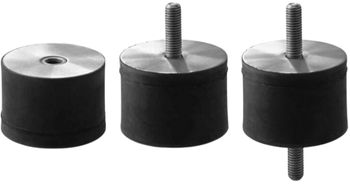
Vibration Dampers: Optimize Performance and Reduce Vibrations
Vibration dampers, also known as vibration isolators, are essential components used to reduce vibrations and optimize the performance of various systems. Whether it's industrial machinery, vehicles, electronic equipment, or HVAC systems, they play a key role in minimizing harmful vibrations and enhancing the lifespan and reliability of the equipment.
One of the main benefits of vibration dampers is their ability to reduce vibrations. Vibrations can lead to various issues such as mechanical wear, imbalance, noise production, and even damage to equipment. Dampers absorb and isolate these vibrations, preventing them from being transferred to other parts of the system or the environment. This results in smoother operation, reduced noise levels, and an extended lifespan of the equipment.
The vibration damper is designed to work in a wide range of applications and environments. They are commonly used in industrial machines and equipment, such as pumps, compressors, generators, motors, and more. They are also applied in vehicles, such as cars, trucks, and trains, to reduce vibrations from the engine or road. Additionally, they are used in electronic equipment like computers, servers, and laboratory instruments to prevent vibration damage to delicate components.
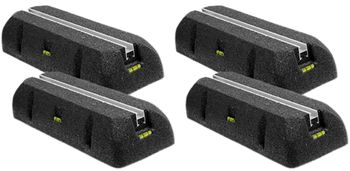
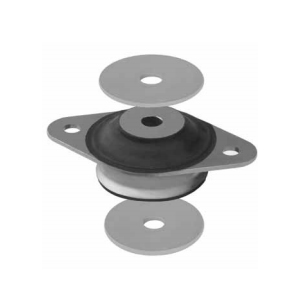
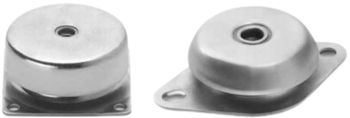
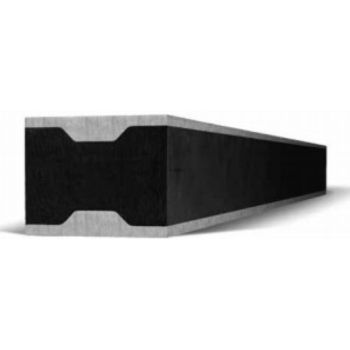
Dampers are available in various shapes and materials, including rubber, neoprene, silicone, and metal. Each variant has its own damping properties and can be chosen based on the specific needs of the application. For example, rubber vibration dampers are effective at absorbing vibrations and isolating sound, while metal vibration dampers are excellent for handling heavy loads and extreme environments.
In addition to reducing vibrations, vibration dampers also contribute to improving the stability and precision of systems. By minimizing vibrations, unwanted movements and fluctuations of equipment are reduced, resulting in more accurate operation. This is especially important in applications where precision and reliability are critical, such as laboratory equipment, measuring instruments, and production machines.
Choosing the right vibration damper for your specific application is essential. Factors such as the type of vibrations, frequency, load, and environmental conditions should be considered. It's also important to regularly check the condition of the vibration dampers and replace them as needed to maintain optimal performance.
Conclusion:
In summary, vibration dampers play a crucial role in reducing vibrations, optimizing performance, and extending the lifespan of equipment. They are used in various industries and applications to prevent vibration damage, reduce noise levels, and improve stability and precision. By investing in high-quality vibration dampers, you can enjoy efficient and reliable operation of your systems.
Didn't find the right Vibration Dampers?
Fill in the form below, and we'll assist you further!
Curious about our blog? Check out all our items here!
Contact us here