Personal and expert advice
25 years of experience
Fast delivery times
Competitive prices



 Nederlands
  Deutsch
Our stainless steel hoses are made from high quality stainless steel, known for its excellent corrosion resistance and long service life. These hoses can safely transport liquids and gases, even in complex or hard to reach piping systems. They absorb vibrations, movement, and thermal expansion, making them ideal for applications where rigid pipes are not suitable. Stainless steel hoses are widely used in the food industry, pharmaceutical production, biotechnology, and chemical processes. They require little maintenance and deliver reliable performance, helping companies reduce costs and improve system efficiency. Thanks to the combination of strength and flexibility, these hoses are easy to install and suitable for both industrial and technical applications.
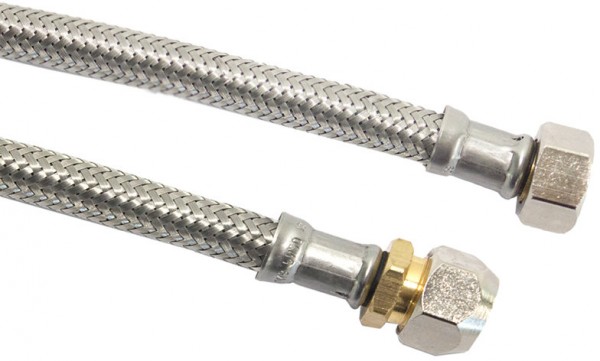
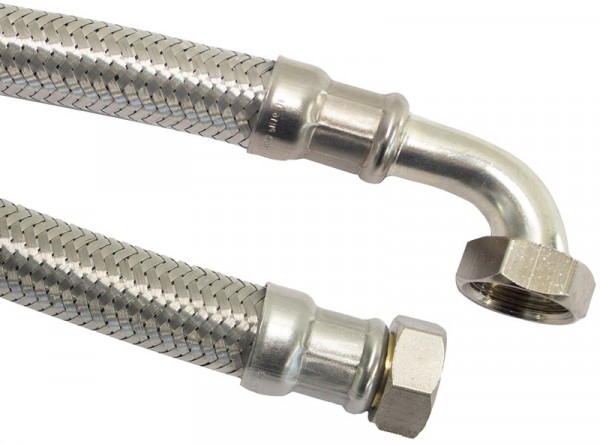
Our flexible stainless steel hoses are available in a wide range of sizes and with multiple connection types. You can choose from female thread, male thread, compression, hose tail, and elbow connections. Female thread, male thread, and elbow connections are available in inch sizes, while compression and hose tail connections are supplied in millimetres. In addition, the stainless steel hoses are available in various lengths and diameters, indicated by DN sizes. This wide range ensures that every hose fits easily into your installation. Combined with flat seals, this results in a leak free and safe connection. This allows for efficient installation and maintenance without compromising flow or safety. As a result, installation time is reduced and the risk of assembly errors is minimised.
Stainless steel hoses are suitable for many different applications. They are used to transport water, oil, gas, steam, chemicals, and compressed air. Common applications include pump installations, taps, irrigation systems, drinking water lines, and the connection of equipment such as dishwashers, steam appliances, and washing machines. They are also indispensable in industrial processes, HVAC systems, fire protection installations, and hydraulic systems. Thanks to their flexibility, stainless steel hoses can be easily bent, extended, or coiled without damage. This makes them ideal for installations with limited space or complex pipe routing. They are therefore suitable for both fixed installations and applications that require regular movement or adjustment. They provide a reliable solution where durability and flexibility must work together.
A major advantage of these stainless steel hoses is their excellent resistance to corrosion and chemicals. They are suitable for a wide range of environments and industries. The hoses are flexible in use and can easily be adapted to the installation. Thanks to the available fittings, all stainless steel hoses can be installed safely and leak-free. These properties reduce maintenance costs and increase system reliability. In addition, they ensure consistent flow and safe transport of liquids and gases, making production processes more efficient and safer.
When selecting the right stainless steel hoses, it is important to consider pressure and temperature resistance, the medium being transported, and the environment in which the hose will be installed. The required length and diameter are also important factors. By choosing the right stainless steel hoses, you can prevent malfunctions and improve the efficiency of your installation. It is advisable to consult one of our specialists for expert advice. This ensures you select the right hose for your application, reduce costs, and maintain safe and reliable liquid or gas flow within your systems.
Chemical compatibility is essential when selecting the right hose for industrial applications. Stainless steel hoses offer excellent resistance to aggressive chemicals, high temperatures, and pressure, making them ideal for transporting acids, solvents, steam, and oils. Choosing the correct grade, such as 304 or 316, ensures durability and corrosion resistance. High-quality stainless steel hoses reduce the risk of leaks and system failure. At NexaParts.nl, you will find reliable stainless steel hose solutions for safe and efficient chemical transport.
Stainless steel hoses are designed for demanding applications where flexibility, strength, and resistance to high temperatures or corrosive environments are required. The materials used in stainless steel hoses determine their durability, pressure resistance, and suitability for specific media such as water, steam, gas, or chemicals. Below are the main materials commonly used in their construction:
• Austenitic stainless steel (AISI 304) – Widely used for standard applications. It offers good corrosion resistance and mechanical strength, making it suitable for water, air, and many general industrial uses.
• Austenitic stainless steel (AISI 316 / 316L) – Provides higher corrosion resistance, especially against chlorides and chemicals. This grade is commonly used in chemical, marine, and food processing environments.
• Stainless steel braid (304 or 316) – The external braid reinforces the inner corrugated stainless steel hoses, increasing pressure capacity and protecting against mechanical damage.
• Carbon steel or stainless steel fittings – The end connections are typically made from carbon steel (zinc-plated) or stainless steel, depending on the required corrosion resistance and application conditions.
The combination of these materials ensures that stainless steel hoses can perform reliably in high-pressure, high-temperature, and corrosive environments. If you are unsure which material grade is best for your application, you can always ask our specialists for expert advice.
Choosing the correct diameter is crucial for any hose installation. Stainless steel hoses must have an internal diameter that supports the required flow rate without causing excessive velocity, which can increase friction, turbulence, noise, and pressure loss. Hose length also affects performance, as longer hoses create greater pressure drops and may need a larger diameter. Properly sized stainless steel hoses ensure stable flow, minimal pressure loss, and long service life. At NexaParts.nl, our specialists can help you select the perfect hose diameter for your system.
Available stainless steel hoses connections include female thread, male thread, compression, hose tail, and elbow connections. The type depends on the system and installation requirements.
The flexibility of the stainless steel hoses allows it to absorb movement, vibrations, and thermal expansion without damaging the pipeline.
Regularly inspect for wear, clean the inside and outside of the stainless steel hoses, and replace seals when necessary to prevent leaks.
Temperature resistance, material strength, and suitable sealing components are essential to prevent deformation or leakage on your stainless steel hoses.
Flexibility is crucial when space is limited, routing is complex, or when equipment causes movement or vibration.
Use the correct fittings for your stainless steel hoses, check seals carefully, and follow recommended installation procedures.
The food industry, pharmaceutical production, chemical and petrochemical industries, water treatment, and HVAC systems are the main users of stainless steel hoses.
The maximum working pressure depends on the hose diameter, wall thickness, and material grade. Using stainless steel hoses within their rated pressure ensures safe operation and prevents leaks or damage.
Yes, stainless steel hoses are suitable for both liquids and gases, including water, steam, air, and chemicals. Choosing the right grade and fittings ensures safe, reliable performance.
Measure the distance between connection points and allow slack for bends, vibrations, and thermal expansion. Correctly sized stainless steel hoses prevent tension, kinks, and premature wear.
Many stainless steel hoses comply with ISO, EN, or FDA standards depending on the application. Compliance ensures safety, durability, and suitability for industry-specific requirements.
Temperature, chemicals, UV exposure, and corrosion impact hose durability. Selecting the right grade and installing stainless steel hoses properly maximizes lifespan and performance.
Single braided stainless steel hoses have one layer of external braid, providing moderate pressure resistance and protection against mechanical damage. Double-braided stainless steel hoses have two layers of braid, offering higher pressure capacity and improved durability in demanding applications. Choosing the correct braid type ensures the hose meets system requirements and lasts longer.
Yes, stainless steel hoses are flexible, but they have minimum bend radius limits. Bending them too sharply can damage the corrugated structure or reduce flow efficiency. Always follow manufacturer guidelines to maintain performance and prevent leaks in stainless steel hoses.
Stainless steel hoses expand and contract with temperature changes. Repeated fluctuations can create stress points if the hose is too short or improperly supported. Using the right length and installation method allows stainless steel hoses to absorb thermal movement safely.
Stainless steel hoses offer excellent chemical resistance, particularly grades like 316 or 316L. They can handle water, acids, bases, and many aggressive fluids without corrosion. Selecting the correct material ensures stainless steel hoses remain safe and durable in chemical applications.
Regular inspection of stainless steel hoses is essential to detect wear, corrosion, or damage. Visual checks and testing under pressure help prevent leaks and failures. Replacing worn or damaged stainless steel hoses promptly maintains safety and system efficiency.
Didn't find the right Flexible Stainless Steel Hoses?
Fill in the form below, and we'll assist you further!
Curious about our blog? Check out all our items here!
Contact us here