Personal and expert advice
25 years of experience
Fast delivery times
Competitive prices



 Nederlands
  Deutsch
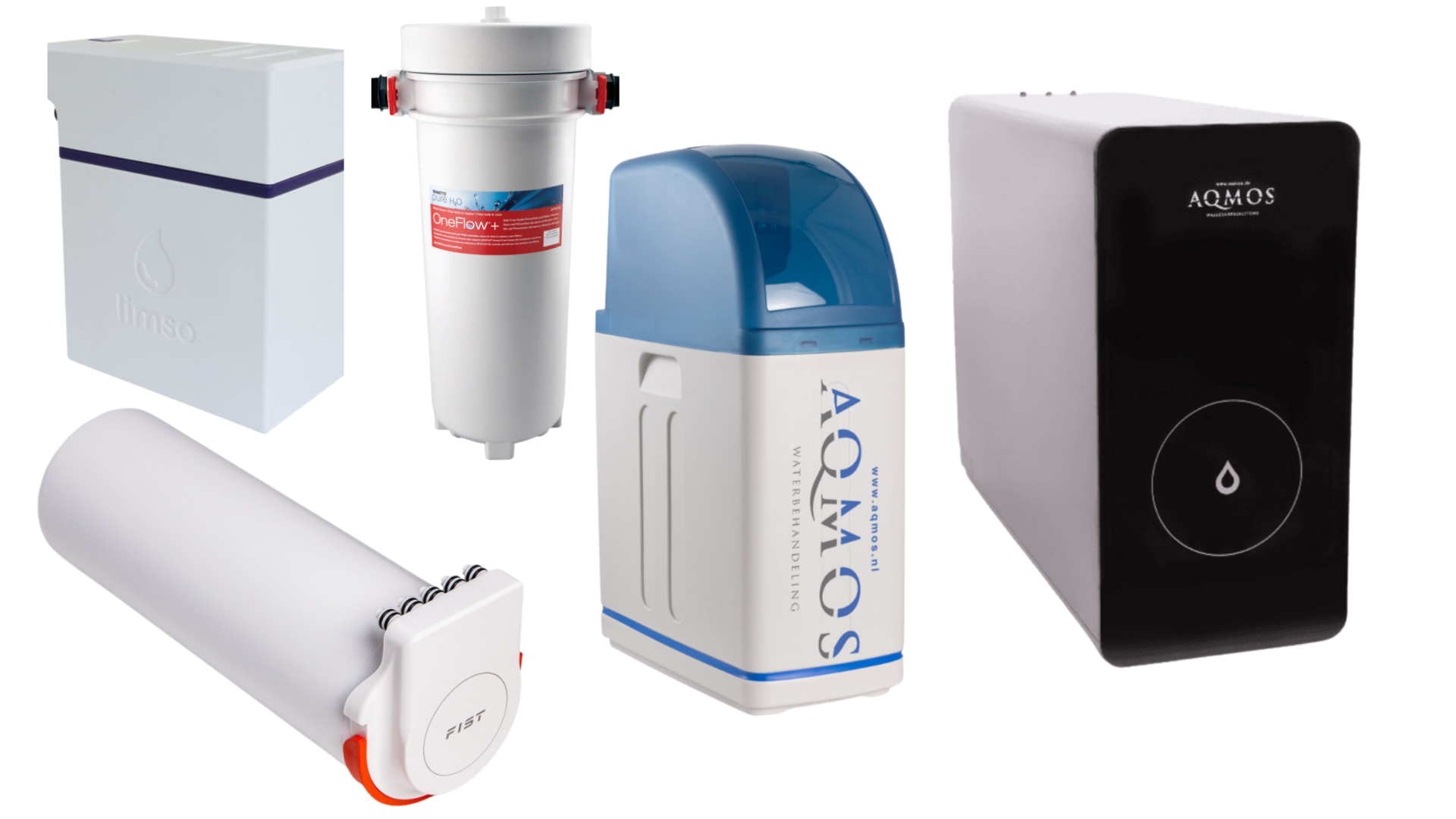
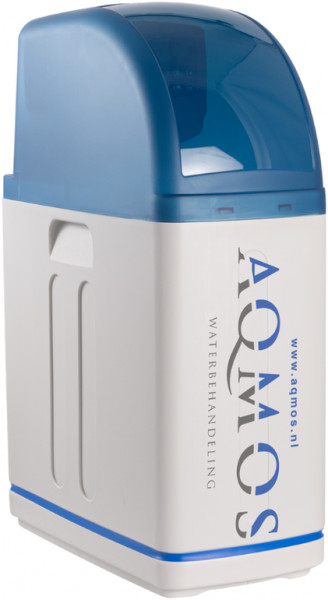
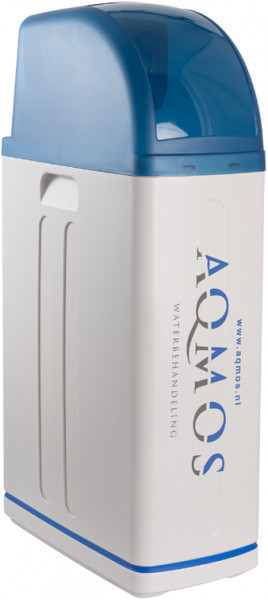
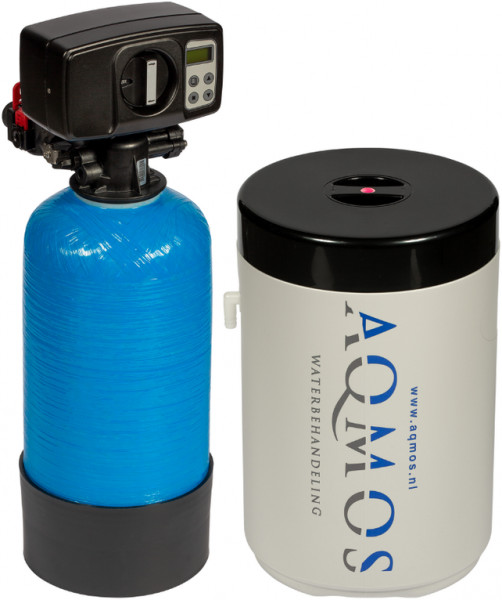
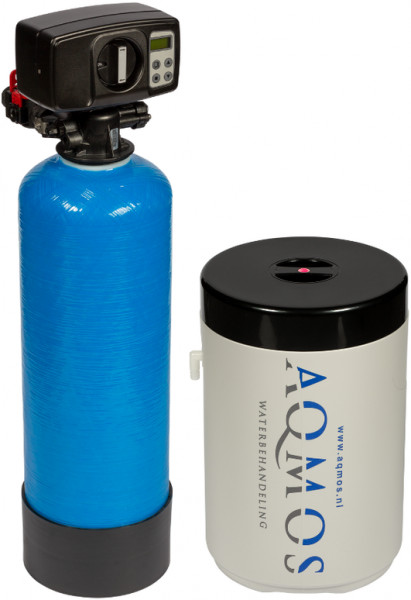
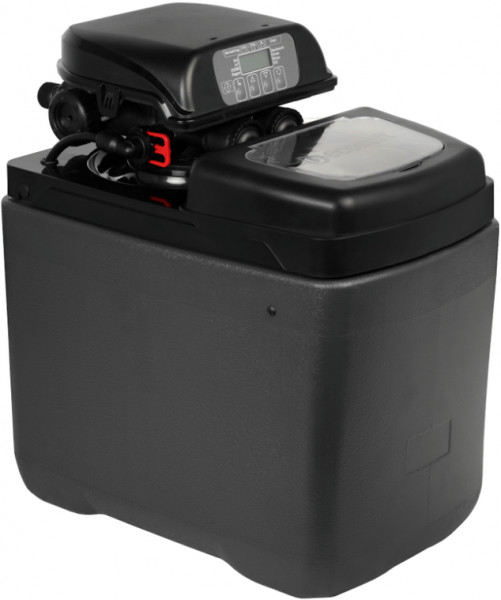
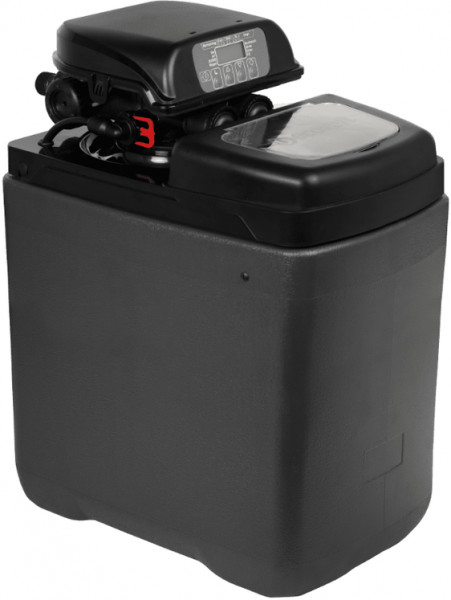
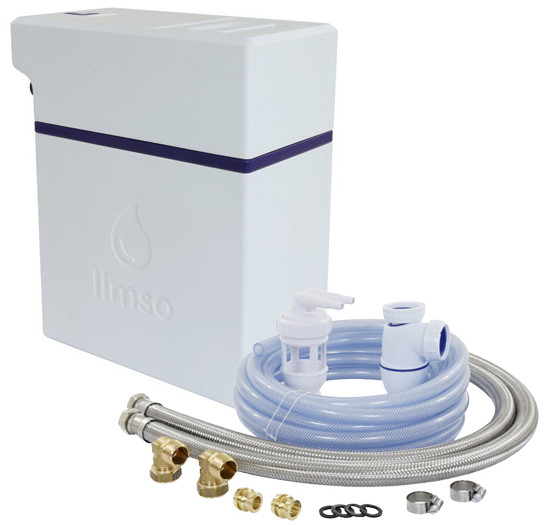
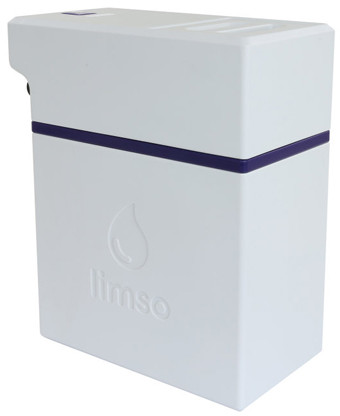
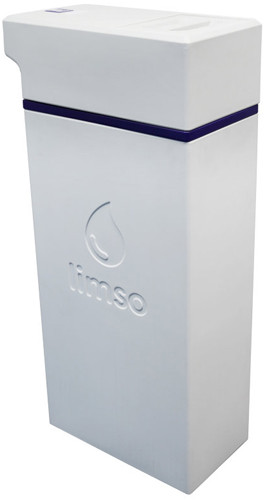
A water softener is an essential solution for removing hard minerals from water, preventing limescale buildup in pipes, appliances, and taps. Installing water softeners ensures soft water throughout your home or workplace, improving comfort and prolonging appliance life. You protect kettles, boilers, and coffee machines from calcium deposits, reduce soap and detergent usage, and maintain smooth, clean surfaces. Soft water also improves skin and hair health while reducing cleaning time. Combining a water softener with a waterfilter enhances water quality further, giving safe and soft water for everyday use. Regular maintenance, including checking salt levels and cleaning the resin, ensures consistent performance and long-lasting soft water throughout your home.
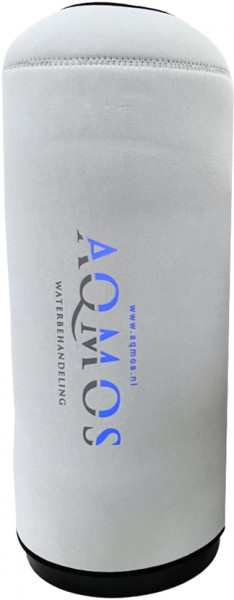
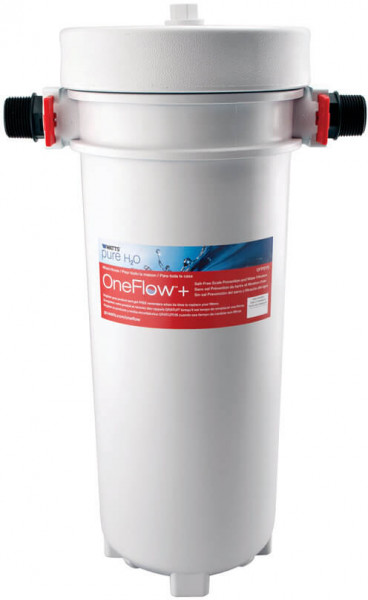
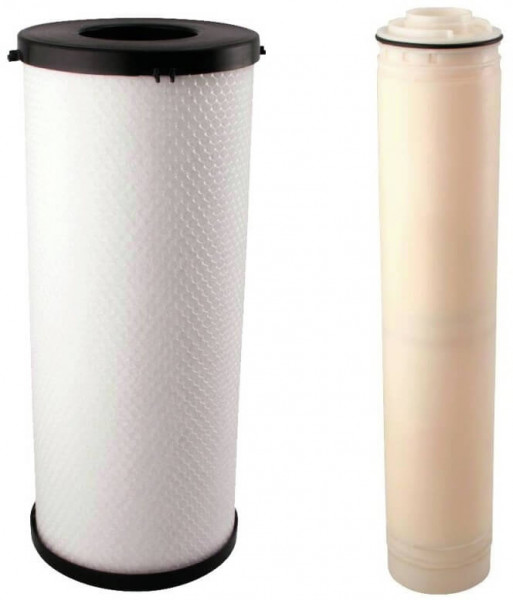
Waterfilters complement a water softener by removing impurities, sediments, and chlorine, providing clean and safe water. Integrating water softeners with a waterfilter ensures optimal water quality, soft water, and reduced limescale in appliances inside your home. Waterfilters are available in various sizes and capacities to fit domestic or commercial water softener systems. They enhance the effectiveness of water softeners by preventing blockages and maintaining water flow. Using a waterfilter helps reduce maintenance costs, improves appliance longevity, and guarantees consistent soft water throughout your plumbing. Waterfilters also remove bad taste and odors for fresh water every time. Pairing a waterfilter with water softeners also helps balance mineral content and pH levels, ensuring not just soft water, but healthier and better-tasting water throughout your home.
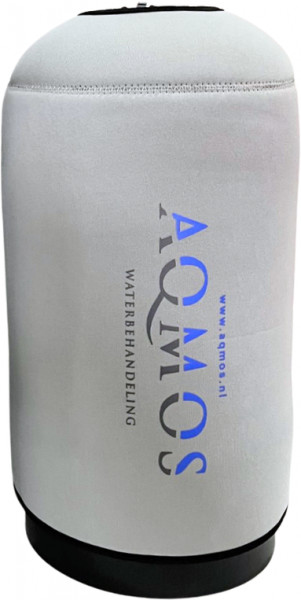
A brine tank is a crucial part of any water softener system, storing salt for the regeneration process. The water softeners use the brine solution to remove hardness from water, preventing limescale in pipes and appliances. Brine tanks come in various sizes depending on household or industrial water consumption. Regularly refilling a brine tank ensures your water softener continuously provides soft water. With a properly maintained brine tank, the efficiency of the water softeners remain high, extending the lifespan of plumbing systems and improving water quality. Combining brine tanks with waterfilters enhances protection against contaminants and limescale buildup. Adding a high quality brine tank also ensures consistent regeneration cycles, improving efficiency and extending the life of both your softener and plumbing.
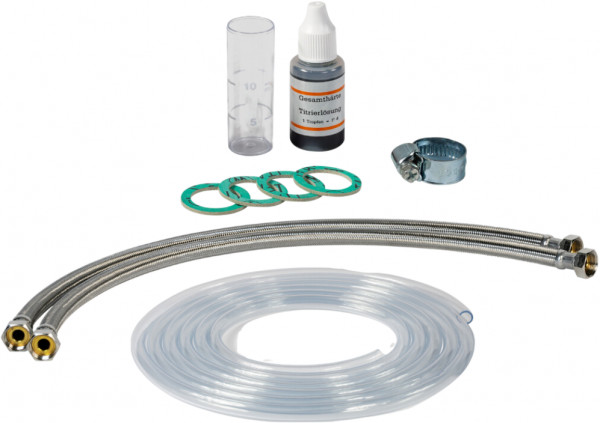
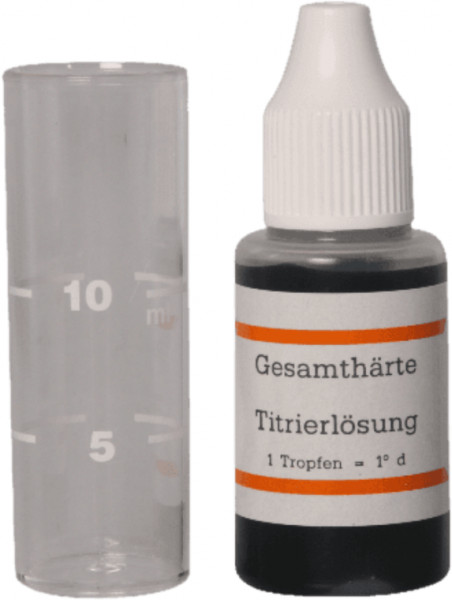
A water test kit helps you monitor the effectiveness of your water softener and check water hardness levels. A test kit allows you to track calcium and magnesium concentrations, ensuring soft water for daily use. Test kits provide easy-to-read results and guide adjustments for optimal water softening performance. Checking water quality regularly with a test kit ensures your water softener operates efficiently, preventing limescale formation. Test kits also help detect issues with waterfilters, resin, or brine tanks. Maintaining soft water and regular testing keeps plumbing systems and appliances safe from damage.
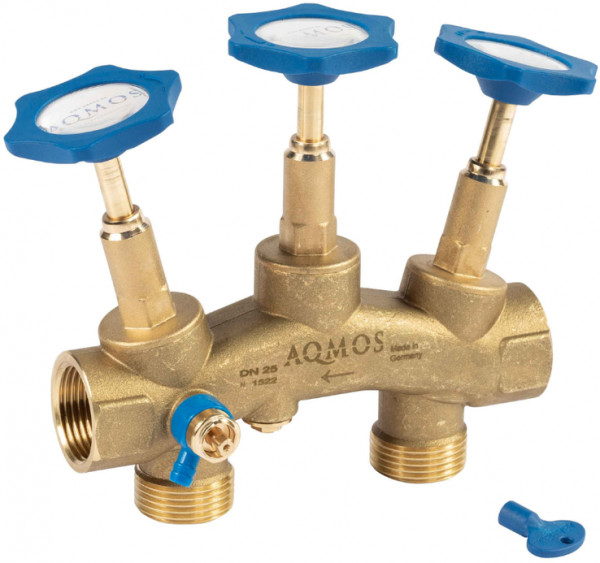
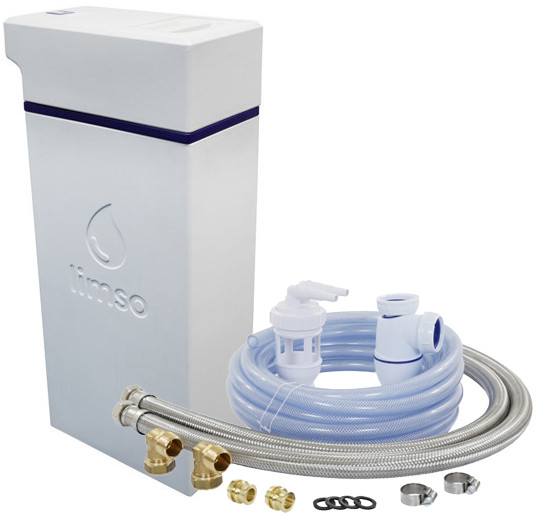
Connection kits make installing a water softener quick, secure, and leak-free. Using water softeners with the correct connection kit ensures proper integration with your water supply. Kits include adapters, hoses, and fittings suitable for different plumbing setups. High-quality connection kits prevent leaks, maintain water pressure, and allow seamless operation of your water softener and waterfilters. Proper connections also minimize limescale accumulation and ensure soft water reaches all faucets efficiently. With connection kits, you can easily install or replace water softeners, brine tanks, or filters, maintaining optimal performance and water quality throughout the system. Connection kits not only simplify water softeners but also reduce the risk of leaks and pressure drops, ensuring smooth operation and consistent soft water throughout your system.
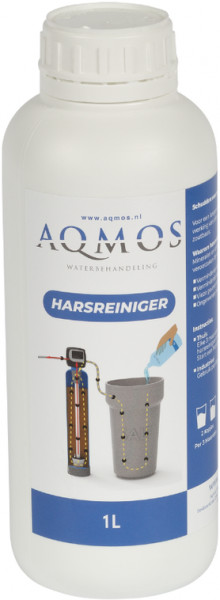
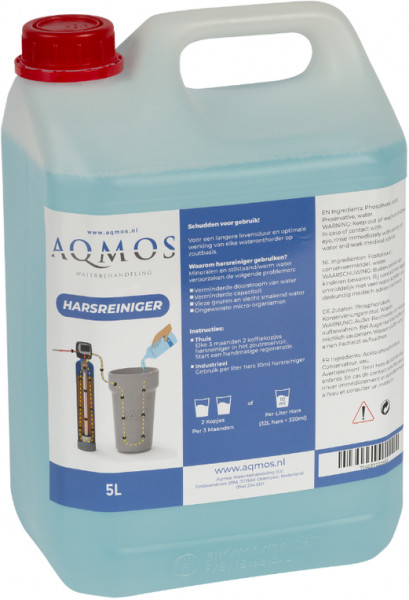
Resin cleaner extends the lifespan of your water softener by maintaining the ion-exchange resin that removes hard minerals. Regular use of resin cleaner prevents limescale buildup in pipes and ensures consistent soft water. Resin cleaners remove iron, manganese, and organic deposits that reduce the efficiency of water softeners. Using a resin cleaner enhances water quality, improves appliance performance, and supports the effectiveness of waterfilters. Incorporating resin cleaning into routine maintenance ensures your water softener continues producing soft water, protects your plumbing system, and minimizes scaling issues over time, keeping your home or business running smoothly.
A water softener removes calcium and magnesium from water, preventing limescale and providing soft water for appliances and plumbing.
A water softener prevents limescale, extends appliance life, reduces detergent use, and ensures soft water for showers, taps, and washing machines.
It uses ion exchange resin to replace calcium and magnesium with sodium or potassium ions, producing soft water and reducing limescale.
Yes, combining a water softener with a waterfilter ensures soft, clean water free of sediments, chlorine, and other impurities.
Soft water is water with low calcium and magnesium levels, preventing limescale buildup and improving cleaning, skin, and appliance performance.
Refill your brine tank when salt levels drop below half full, ensuring your water softener continuously produces soft water.
Yes, a test kit monitors hardness levels and ensures your water softener is effectively providing soft water and reducing limescale.
Yes, a water softener prevents limescale buildup in pipes, faucets, and appliances, maintaining soft water throughout your home or business.
Regularly refill the brine tank, use resin cleaner, check water hardness with a test kit, and clean waterfilters for optimal performance.
Resin cleaner maintains the ion-exchange resin, removing iron, manganese, and organic deposits to ensure consistent soft water.
Yes, by providing soft water, a water softener reduces limescale, protecting boilers, kettles, washing machines, and dishwashers.
Yes, using a connection kit makes installing a water softener simple, secure, and leak-free for domestic or commercial systems.
A connection kit includes hoses, adapters, and fittings to integrate a water softener with plumbing efficiently, maintaining soft water flow.
Yes, combining both ensures water is clean and soft, removing sediments, chlorine, limescale, and other impurities.
Yes, a water softener removes calcium and magnesium from well water, providing soft water and preventing limescale buildup.
The brine tank size depends on household or industrial water usage, ensuring the water softener regenerates effectively and provides soft water.
Yes, water softeners use food-safe salts and resins, producing soft water suitable for drinking, cooking, and household use.
Install a water softener, use resin cleaner regularly, maintain waterfilters, and monitor hardness with a test kit.
Yes, soft water improves soap and detergent efficiency, allowing less product while achieving the same cleaning results.
NexaParts water softeners provide reliable soft water, integrate with waterfilters, prevent limescale, and include accessories like brine tanks, test kits, and connection kits.
Didn't find the right Water Softener?
Fill in the form below, and we'll assist you further!
Curious about our blog? Check out all our items here!
Contact us here